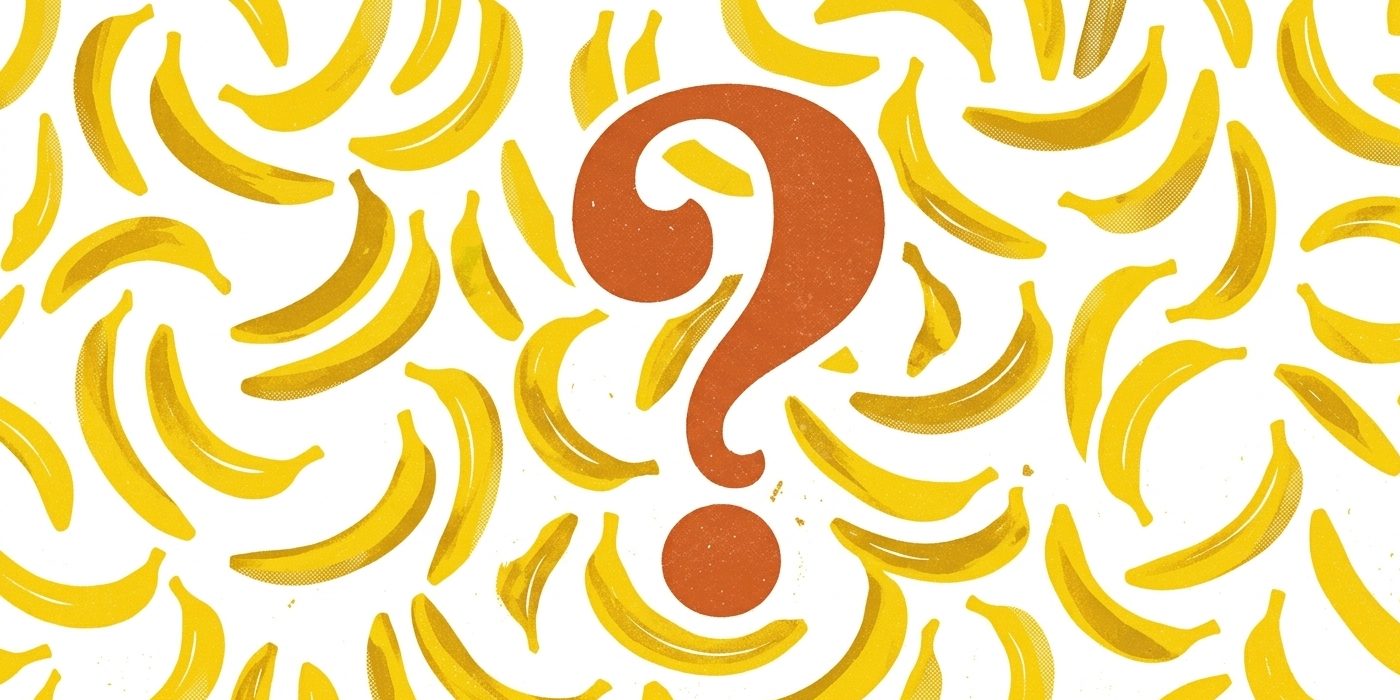
Earlier in my career as a leader, I took extra pride in my critiques. I wanted the team to feel comfortable, have fun, and share feedback freely. My signature “isms,” or slang phrases, helped bring levity to the room. When crits started quietly, I’d try to set an example and jump in to break the ice, thinking out loud as I gave feedback. One of my favorite isms was calling designs, concepts, or even people “bananas.” I used it frequently enough that the team even covered my desk with bananas while I was away on vacation! The team was clearly having fun, and I was confident I was killing it as a design leader.
But the team remained quiet during crits. As I gave feedback, brows furrowed, heads tilted, and I was frequently asked to repeat myself. Timelines slipped. Designers often went in different directions than we had discussed. It was clear something wasn’t working.

One crit blew it up
Then one crit made the problems clear. For five minutes, I thought out loud as I gave feedback, using isms like I always had. “This layout is just bananas.” I chuckled. “We have too much going on here, let’s scootch this button over a bit to open it up. This here, let’s just move this a pinch. That’s going to blow this thing wide open.” As soon as I finished, the designer stared at me blankly. “What…do you mean when you say it’s bananas? Is that good or…bad?” I glanced around at the other designers. It was clear no one was following me.
This exchange made me realize I was the reason we were missing the mark. My isms got laughs, but hid my real point. And my thinking out loud was mistaken for formal direction. The team was trying to implement what they perceived as my feedback, but couldn’t separate what needed to be done from what I was simply thinking out loud.
Talk less
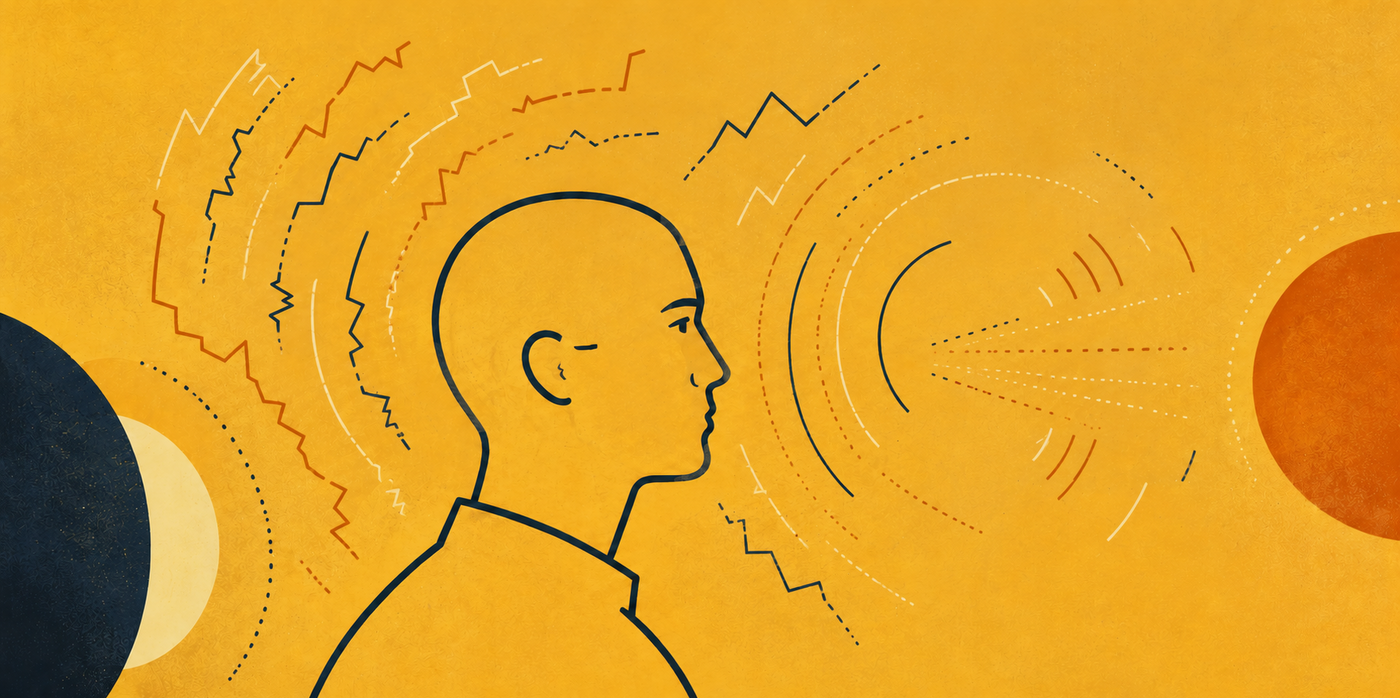
I had to give the team more space to speak, so I started staying quiet during crits. The first time, I let the designer finish presenting and waited. The silence was killing me. I almost jumped in, but realized something: if I kept filling every silence, the team would always defer to me and avoid giving feedback. So I waited. After about ten seconds, I simply asked, “What feedback do we have, team?” After a few more seconds, someone jumped in. “Do we really need this extra button? This functionality is outside the MVP.” I breathed a sigh of relief as the conversation started to flow.
The crits became more conversational. We had different opinions, healthy debate, and more experimentation. The best part was that if another team member didn’t give the feedback I intended to give, I had space to think and shape my direction. Now I can step in when the team reaches a stalemate, or help a designer summarize the feedback.
Mean more
I also needed to address my overuse of isms. I didn’t want to lose the humor the team enjoyed, but I needed to be clearer. So I kept the isms for casual conversations, like the weather, hobbies, and icebreaker questions. But as soon as the crit began, I learned to put the isms away. Instead of calling a layout “bananas,” I’d say “this is doing three different things and will confuse our customers. Let’s break this down into a step-by-step flow, and push this CTA down about 10 pixels.” I also learned to clearly state my intent up front: “We need to make sure we’re not blocking a scrum team with this design” versus “Here’s a thought, but I’m not totally sure. Tell me if I’m wrong.”
The team responded well. Instead of puzzled looks, we had deeper conversations and more insightful peer feedback, which had been my goal all along.
We have no bananas…in crit
I don’t always get it right. I still catch myself thinking out loud or letting an ism slip out when I get excited about a design. But our crits have changed. Team members now speak up to identify problems, challenge assumptions, and work through solutions together. They’re pushing each other to be better, and the product is stronger as a result.
Of course, I still use the word when I’m telling a story. “My son and I went to Comic-Con recently. There were 27 Spider-Men. It was bananas!” We get to laugh, then get to work.